Water Spots and Hard Water Etching: Why They Keep Coming Back
Water Spots and Hard Water Etching: Why They Keep Coming Back
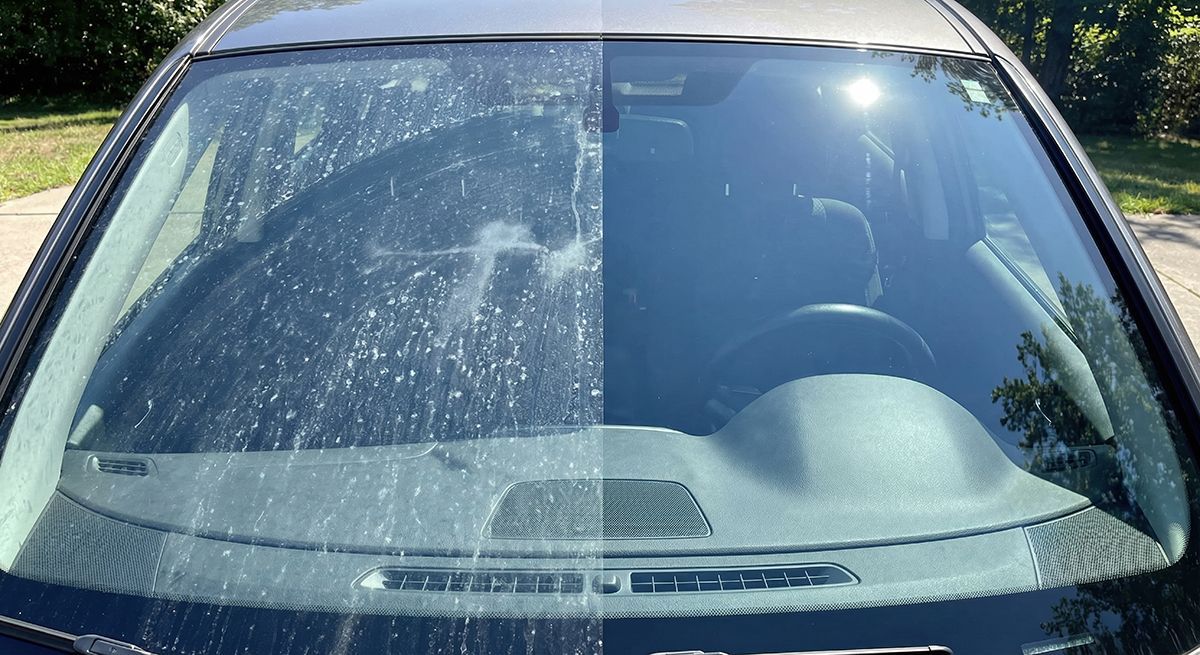
You wash your car on Saturday. It looks great. By Wednesday there's a constellation of little white rings across the hood and doors, and you're wondering what you did wrong.
Probably nothing. Water spots are one of the most persistent problems we deal with at Shining Rides Detailing, and the reason they keep returning has less to do with how you wash and more to do with what's in the water itself and what the sun does to it afterward. Here's what's actually happening, and what it takes to stop the cycle.
It's not the water. It's what's dissolved in it.
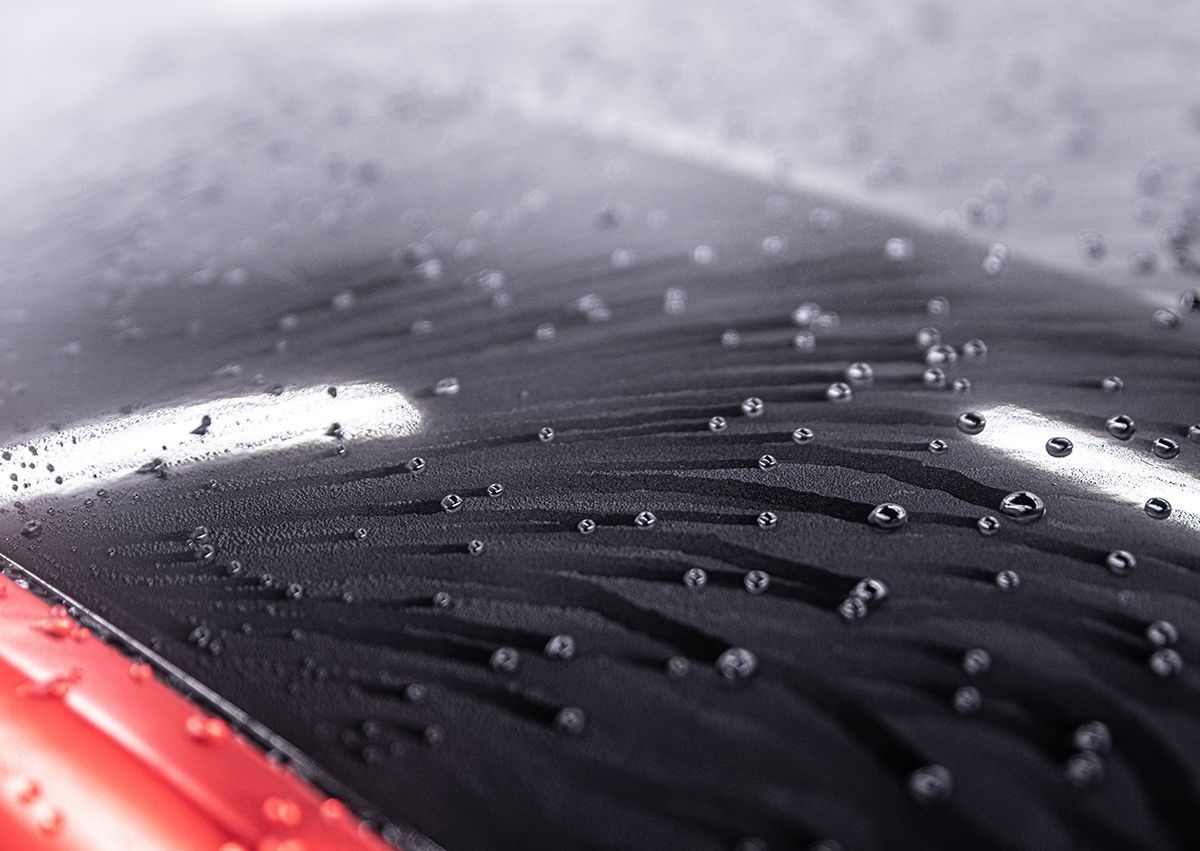
Tap water isn't just water. It carries dissolved minerals picked up on its way through rock and pipe, mostly calcium and magnesium, plus whatever your municipality adds for treatment. That mineral load is what "hard water" means. When a droplet sits on your paint and evaporates, the water leaves. The minerals don't. What's left behind is a tiny ring of mineral deposit, shaped like the edge of the droplet. Multiply that by a few thousand droplets and you've got the spotted finish you're looking at. This is why spots show up even when you've done everything right. Rinsing with a hose, letting a car air dry, sprinklers hitting it overnight, rain on a dusty panel. Every one of those leaves mineral behind once the water goes.
The three stages, and why the fix is different for each
Not all water spots are the same problem. They fall into three categories, and knowing which one you're dealing with determines whether it's a five-minute job or a multi-hour correction.
Stage one: surface deposits. The mineral is sitting on top of your paint or on top of your wax or sealant. It hasn't bonded to anything. These wipe away with a proper wash, or dissolve with a mild acidic detail spray designed for mineral removal, easy.
Stage two: bonded deposits. The mineral has started chemically attaching to the clear coat. Washing won't touch it. This usually needs a dedicated water spot remover, a clay bar treatment, or light polishing to lift the deposit off the surface. Still very fixable.
Stage three: etching. This is the one people don't expect. Given enough time and heat, mineral deposits don't just sit on the clear coat; they eat into it. What you're left with isn't a deposit at all. It's a crater. A physical divot in the clear coat, shaped like the original water droplet.
You cannot clean away a hole. Etching is only fixed by removing clear coat around it until the surface is level again, which means machine polishing or full paint correction. In severe cases, where etching has gone deep enough, the panel needs refinishing.
Why heat turns a spot into permanent damage
Time matters, but heat matters more.
A droplet of water on a dark hood in direct sun acts like a magnifying glass. The panel underneath can climb well past what you'd guess from the air temperature, and that heat accelerates the chemical reaction between the mineral deposit and your clear coat dramatically.
This is why the same car can pick up harmless spots in a shaded driveway in October and etched spots in an open parking lot in July. The water is identical. The conditions are not.
It's also why washing in direct sun is such a reliable way to create problems. You're rinsing a panel that's already hot, and the water flashes off before you can dry it.
Why they come back after a detail
This is the question we get most often, and the answer is usually one of four things.
The protection was removed along with the spots. Polishing to remove bonded deposits also strips whatever wax or sealant was there. If the car goes back out without new protection, bare clear coat is more vulnerable than it was before, not less.
The source never changed. If the sprinkler system still hits the car three nights a week, or the car still lives under a downspout, the spots will return on schedule no matter how good the correction was.
The etching was only partially corrected. Light polishing can make shallow etching much less visible without fully leveling it. In certain light, at certain angles, it reappears. That's not the spots coming back, that's the same damage you've had all along, catching the light.
The drying method is reintroducing the problem. Air drying, a squeegee, or a bath towel all leave mineral behind or drag grit across the finish. How you dry matters as much as how you wash.
What actually breaks the cycle
Dry the car completely, every time. A clean microfiber drying towel or a filtered air blower. Don't let a panel air dry, and don't walk away from a wet car.
Wash in the shade, on a cool surface. Early morning or evening. If the panel is hot to the touch, wait.
Deal with spots quickly. A deposit removed this week is a wash. A deposit left for a season may be a correction.
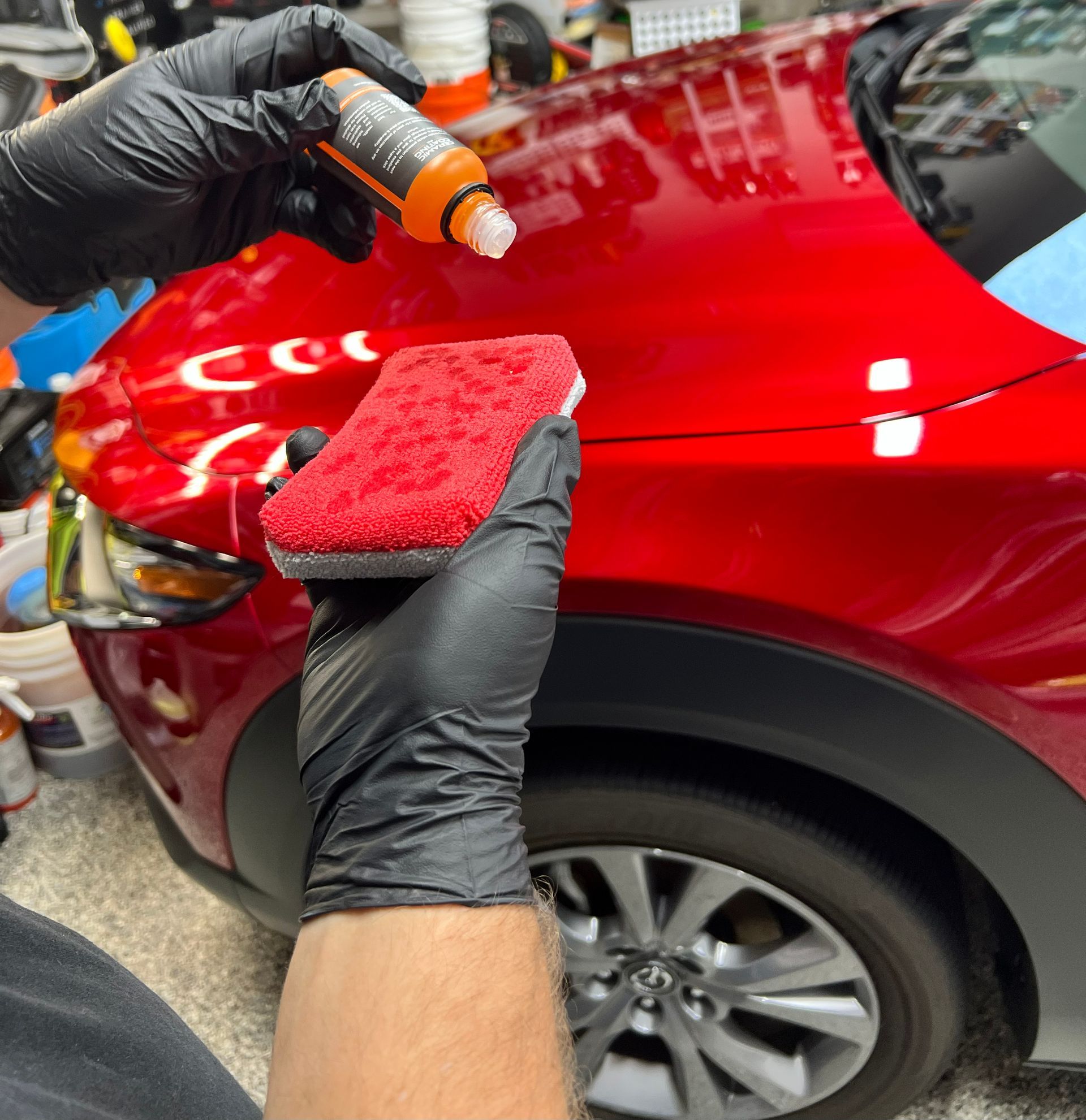
Put real protection on the paint. A quality sealant or ceramic coating won't make your car immune, but it gives the minerals a sacrificial layer to sit on instead of your clear coat, and it makes the spots far easier to remove before they bond. This is the single biggest difference between a car that spots badly and one that doesn't.
Fix the source. Adjust the sprinkler head. Move where you park. If you're washing at home with hard tap water, an inline filter for your hose is an inexpensive fix that solves a lot.
Don't scrub. Aggressive rubbing on a mineral deposit grinds hard particles across soft clear coat. You'll trade water spots for swirl marks.
When to bring it in
If you can feel the spots with a fingertip, or they're still visible after a thorough wash and a mineral remover, you're past the point where DIY products help. That's bonded deposit or etching, and both need machine work to correct properly.
The good news is that etching caught early is almost always correctable. The clear coat has room to work with. It's the spots that sit through a full summer that turn into refinishing conversations.
If you're not sure which stage you're dealing with, bring the car by and we'll take a look under proper lighting. We'll tell you honestly whether it's a quick decontamination or a paint correction and what it'll take to keep them from coming back this time.
Shining Rides Detailing